When evaluating any purchase, most people focus on the sticker price. But that figure often conceals a complex network of ongoing expenses. By exploring the full lifecycle costs of ownership, businesses and individuals can make wiser, more sustainable choices.
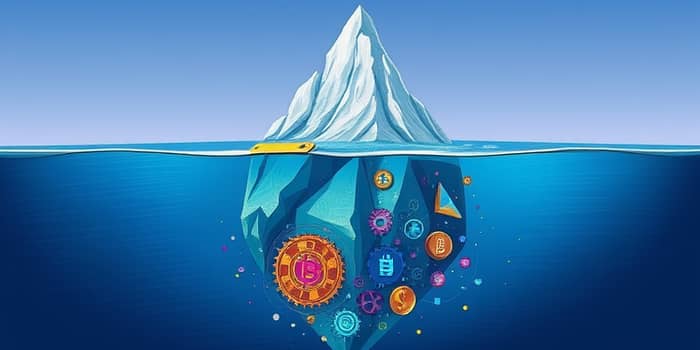
Total Cost of Ownership (TCO) represents every expense associated with an asset from acquisition to disposal. It goes far beyond the initial purchase price, capturing both obvious and hidden costs that accumulate over time. Imagine an iceberg: the small visible tip is the upfront price, while the vast underwater mass symbolizes unseen expenditures like maintenance, downtime, and eventual decommissioning.
In practical terms, TCO can be expressed as:
Cost of Purchase + Cost of Operation – Resale Value. Variants incorporate factors such as indirect costs, residual value, and opportunity costs. From an accounting perspective, you separate capital expenditures (CapEx) and operational expenditures (OpEx) to ensure comprehensive budgeting and cost control.
Focusing solely on sticker price can be a false economy. A lower upfront cost may mask higher long-term maintenance expenses. For businesses, this leads to budget overruns, unexpected downtime, and wasted resources. For consumers, it means replacing cars, appliances, or gadgets more frequently than anticipated.
By assessing TCO, you can:
TCO is often the foundation for credible ROI analysis. Without knowing the true cost, any estimate of returns remains speculative.
Every asset passes through stages, each generating specific costs. Recognizing these buckets helps you identify savings opportunities and mitigate risks:
While the core concept remains consistent, TCO looks different depending on the asset class and sector. Here are two illuminating examples:
IT and Network Infrastructure: Organizations often underestimate the cost of maintaining servers, routers, and switches. A mid-sized network might cost $23,000 upfront, but annual licenses, support contracts, staffing, and downtime can escalate to $31,000 per year. Over five years, the total climbs to roughly $178,000. Choosing cheaper hardware without robust vendor support can double repair costs and productivity losses.
ERP and Enterprise Systems: Implementing an ERP or HRIS solution typically spans 5–7 years. Beyond license fees, companies incur integration expenses, customization, extensive training, and ongoing subscription renewals. Downtime during major upgrades can disrupt operations for days, translating into substantial quality costs.
Understanding costs is only the first step. Acting on that knowledge yields real savings and improved performance.
By shifting focus from sticker price to all-encompassing ownership costs, organizations and individuals unlock deeper insights into long-term value. This approach aligns spending with strategic goals, mitigates hidden risks, and fosters sustainability. Whether you’re selecting a new laptop, a fleet of vehicles, or enterprise software, a rigorous TCO analysis ensures you pay for value, not surprises.
Next time you face a major purchase, remember the iceberg: the visible tip is only the beginning. Dive below the surface to reveal what truly lies ahead.
References