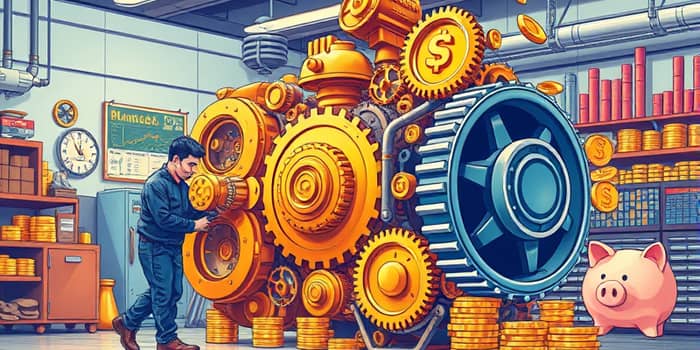
Imagine your financial life as a high-performance engine, humming with potential and ready to drive you towards your dreams. Just like a car, it needs regular maintenance and fine-tuning to avoid costly breakdowns and ensure smooth operation.
In 2026, with economic shifts and new tools emerging, taking control is more crucial than ever. This article serves as your comprehensive mechanic's manual, transforming complex finance into an accessible, inspiring journey.
We'll walk through a detailed checklist, using the engine metaphor to make each step manageable and empowering. From diagnostics to upgrades, you'll learn how to optimize every component for long-term success.
Start by reviewing your income versus expenses over the past year. Use budgeting apps or spreadsheets to track where every dollar goes, identifying overspending or under-saving areas.
Check your credit report annually for errors or fraud signs, as this affects loan approvals. Update passwords and enable two-factor authentication to enhance security and prevent breaches in our digital age.
Analyze recurring subscriptions and bills, from streaming to insurance. Negotiate with providers for better rates or switch to more affordable options.
Small cuts, like preparing lunch at home, can accumulate into significant savings over time. Calculate your net worth by listing all assets and liabilities for a clear financial snapshot.
This diagnostic is the foundation for effective tuning, so be honest and thorough. Key actions include:
Regular diagnostics prevent small issues from escalating, keeping your engine running smoothly. Make this a yearly habit to stay proactive and informed.
A budget is your financial roadmap, outlining resource allocation for needs, wants, and savings. Without it, you risk overspending or missing targets, much like driving blindfolded.
Choose a framework that fits your lifestyle and goals. Below is a table comparing common methods to guide your selection.
Once selected, automate tracking with apps to maintain consistency. Automate savings and bill payments to avoid human error and ensure priorities are met.
In 2026, inflation may impact essentials like food and housing, so build flexibility into your allocations. Use AI-powered tools for real-time insights, making budgeting dynamic and responsive.
Revisit your budget quarterly to adjust for life changes or economic shifts. This ongoing refinement ensures your blueprint adapts to new challenges.
An emergency fund acts as a financial shock absorber, preventing minor issues from derailing progress. Aim for 3-6 months of essential expenses stored in a high-yield, FDIC-insured account.
Start small if needed—even $1,000 can cover unexpected repairs or medical bills. Automate contributions via round-up features or scheduled transfers from your paycheck.
Treat savings as a non-negotiable bill, prioritizing it before discretionary spending. This "pay yourself first" mentality ensures growth over time, with at least 20% of income allocated.
Systematic saving is crucial for long-term stability. Revisit allocations annually to stay on track with goals like retirement or major purchases.
Key steps to build reserves include:
Building reserves provides peace of mind and financial resilience. Make it a habit to review and boost these funds regularly.
High-interest debt can clog your financial engine, slowing progress towards other goals. Prioritize paying off debts with the highest rates first, using the avalanche method for cost savings.
Alternatively, the snowball method—targeting smallest balances—can provide motivational wins from small balances, keeping you engaged. Refinance loans or mortgages if interest rates drop to lower payments.
Consolidate multiple debts into a single loan with a better rate to simplify management. Always negotiate with creditors for reduced terms or balances.
Avoid accumulating new debt by living within your means and using credit wisely. Regularly review statements and adjust repayment plans as your situation improves.
Effective debt strategies for 2026:
Clearing debt blockages frees up cash flow for savings and investments. Stay disciplined to accelerate your financial momentum.
Investing is like adding turbochargers to your engine—it accelerates growth and builds wealth over time. Rebalance your portfolio annually to match risk tolerance and goals.
Diversify to avoid overexposure; don't put all your eggs in one basket by spreading investments across assets. For retirement, maximize contributions to 401(k)s or IRAs.
Employer matches are free money that compounds over decades, so aim to save 15% of pre-tax income. In 2026, leverage trends like AI robo-advisors for low-cost management.
Explore bond ladders for steady yields or set aside 30% of freelance income for taxes. Always seek inflation-beating returns to preserve purchasing power in changing markets.
Investment tips for 2026 include:
Upgrading investments ensures your engine runs efficiently for the long haul. Stay informed on market trends to make smart choices.
Insurance and tax planning act as protective covers, shielding your engine from unforeseen damage. Review policies for life, health, auto, and home insurance annually.
Shop around for better rates or bundle options to ensure adequate coverage without overpaying. Optimize taxes by adjusting withholdings and claiming deductions.
Freelancers should separate business and personal finances to simplify tax filing and maximize benefits. Consider HSAs or FSAs for healthcare expenses, and update estate plans as needed.
This layer of protection prevents minor incidents from becoming major setbacks. Regular reviews keep you prepared for legal or personal changes.
Key actions for protection:
Protection ensures your engine withstands shocks, maintaining stability through uncertainties. Make it a priority in your financial tune-up.
Clear goals provide direction, much like a roadmap for a long journey. Use SMART criteria—Specific, Measurable, Achievable, Relevant, Time-bound—to define objectives.
Set both short-term and long-term goals, prioritizing essentials like debt payoff before luxuries. Annual reviews allow adjustments for life events or market changes.
Utilize tools like financial apps for consistent monitoring and adjustments to stay on course. Leverage resources like employer benefits or advisors for support.
Visual progress tracking motivates continued effort, turning goals into achievements. Stay flexible to adapt to new opportunities or challenges.
Steps for effective goal setting:
Monitoring keeps your engine aligned with your destination, ensuring steady progress. Embrace this iterative process for lasting financial health.
By treating your finances as a living engine, you empower yourself to navigate 2026 with confidence. Each tune-up—from diagnostics to upgrades—builds a stronger, more efficient system.
Start today with small steps, and watch as compound growth transforms your reality. Remember, every adjustment counts, and with this mechanic's checklist, you're equipped for financial freedom.
References