Imagine your finances as an uncharted wilderness and a traditional budget as a rigid fence. Now envision a dynamic blueprint that adapts as you explore—your very own money map. This approach turns confusion into clarity and frustration into forward momentum.
Most of us have tried strict budgets only to feel chained to inflexible categories. Hard spending limits often clash with unexpected bills, side gig fluctuations, or life’s spontaneous joys.
Rigid plans can leave you scrambling when real life intervenes, breeding guilt and anxiety instead of confidence. A fence may keep you in line, but it won’t help you navigate toward true financial freedom.
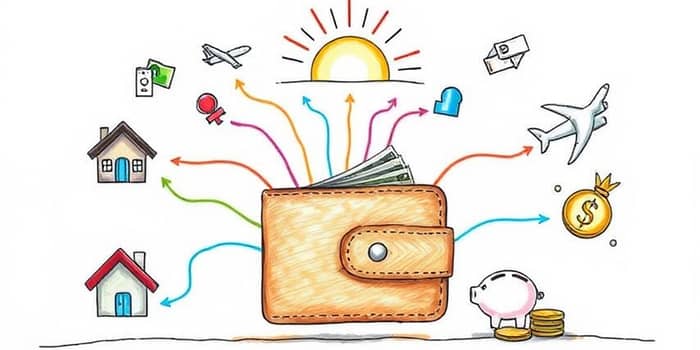
Money mapping is a visual, flexible financial planning tool that shows exactly where every dollar travels. It encourages a values-based journey, directing funds toward what matters most while preserving room to pivot.
This method avoids arbitrary caps and instead asks, “Where should this dollar go right now?” That simple shift fosters every dollar assigned a purpose and keeps momentum moving forward without perfectionism dragging you down.
Building a money map is simple but powerful. Treat it as a living document you revisit regularly, not a one-time chore.
By committing to these steps, you turn abstract figures into a tangible guide. It’s the difference between wandering aimlessly and following a clear path.
To ensure comprehensive coverage, include the following core categories in your map. Customize them to your life stage and goals.
This table delivers a bird’s-eye view of where money flows. You can color-code each bucket or assign numbered tiers to prioritize as needed.
You don’t need fancy software to start. Grab a blank notebook or sketch on a whiteboard. When you’re ready, digital tools can automate the heavy lifting.
Embrace effortless automation reduces stress by routing income into multiple accounts at once. Over time, this hands-off approach frees mental bandwidth for bigger goals.
Meet Alex, who juggled a full-time job and freelance gigs. By mapping dual incomes, she identified redundant subscriptions and trimmed takeout spending. Redirecting those funds, Alex built a travel fund and accelerated debt payoff without feeling deprived.
Thousands of users report similar breakthroughs: hitting savings targets faster, enjoying guilt-free spending, and building momentum that compounds into long-term financial independence.
Once your basic map hums along, layer in proven strategies like the 50/30/20 rule. Allocate 50% of income to needs, 30% to wants, and 20% to debt or savings, then refine those percentages.
Incorporate trends like no-buy challenges to strengthen discipline or explore high-yield accounts and cash-back integrations. The key is to keep your map flexible while steadily advancing toward bigger milestones.
Your money map is more than a plan; it’s a compass guiding you through life’s financial terrain. By visually tracking every dollar, you gain clarity, confidence, and control.
Start sketching your map today, revisit it weekly, and watch as chaotic money matters transform into a clear, purpose-driven journey. Your course to riches awaits—grab the pen and chart your path.
References