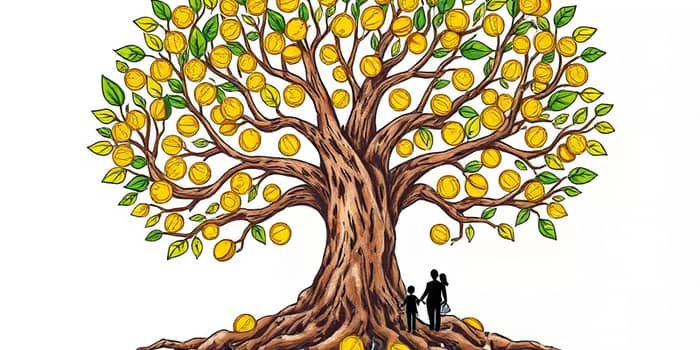
No matter where you stand on your financial journey, crafting a legacy that endures beyond your lifetime is both an art and a science. Your fortune is not simply a collection of numbers; it represents a story you’ll leave for loved ones, communities, and causes you cherish.
Legacy building begins long before retirement or the signing of final documents. It is a time-intensive and forward-looking process that benefits from early planning, regular reviews, and the flexibility to adapt as circumstances change.
At its core, legacy planning involves aligning your values, goals, and resources with the structures you choose. It demands clarity about who you are today, what matters most, and how your wealth can support both family and philanthropy.
A comprehensive estate plan ensures your assets move seamlessly to intended beneficiaries while minimizing complications. Key elements include wills, trusts, and powers of attorney designed to direct wealth distribution and protect your legacy.
These tools work together to create a holistic plan that addresses taxes, avoids probate delays, and safeguards assets from unintended creditors or familial disputes.
Preserving wealth requires vigilance throughout the year, not just at tax-filing deadlines. Incorporating diversified account types to minimize taxes and proactive approaches can lead to significant savings over decades.
By continuously evaluating your tax posture, you maintain the flexibility to seize opportunities and avoid last-minute decisions that can erode returns.
A robust portfolio spreads risk across public equities, fixed income, real estate, and alternatives. For high-net-worth families, private equity, venture capital, and private credit offer growth and income streams beyond traditional markets.
Alternative investments often require longer lock-up periods but can deliver outsized returns. Balancing these with liquid holdings ensures you have both stability and potential for significant growth.
Many fortune forgers seek to leave a positive mark on society. Structured giving can provide immediate benefits to chosen causes while offering tax advantages and engaging future generations in your values.
These tools help you weave philanthropy into every layer of your legacy plan, ensuring causes you believe in thrive long after you’re gone.
Passing wealth effectively requires more than documents; it demands education, communication, and oversight. A formal family governance plan fosters open dialogue and imparts automating money movement toward strategic goals through structured meetings, financial literacy training, and shared decision-making.
Life insurance can play a pivotal role. Permanent policies build cash value over time, providing liquidity to pay estate taxes or fund trusts without forcing asset sales.
For first-generation wealth builders, term life insurance and strategic debt investment in education or property can jump-start the legacy process.
With estate tax exemptions set to decline, proactive gifting and trust planning are urgent. Leveraged gifting removes future growth from your estate, and dynasty trusts in favorable jurisdictions protect assets from estate taxes, creditors, and family disputes.
By combining annual gift exemptions with generation-skipping trusts, you can transfer substantial wealth while maintaining control and flexibility.
True legacy planning is not a series of isolated tactics but a holistic, interconnected strategy. For example, gifting appreciated stock to a DAF can simultaneously reduce concentrated positions, generate a tax deduction, and fund philanthropic goals.
Regularly revisit your plan to adapt for career changes, market shifts, and evolving family dynamics. Partnering with experienced advisors ensures you harness sophisticated techniques while staying aligned with your values.
Your financial legacy is the ultimate testament to your journey and the values you hold dear. By combining foundational estate planning, tax-efficient strategies, diversified investing, purposeful philanthropy, and robust governance, you can craft a fortune that endures.
Begin today—because the most powerful legacies are built over time, with intention, foresight, and unwavering commitment to both family and community.
References