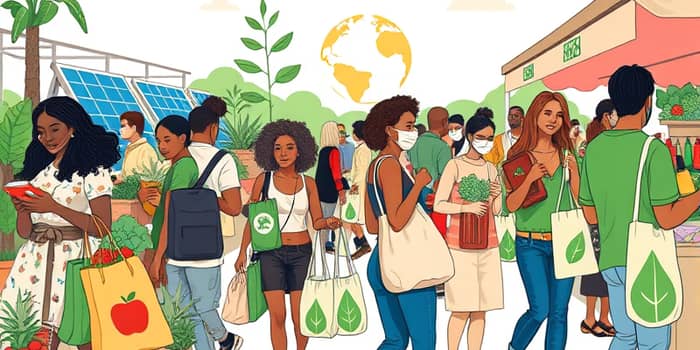
In a world where every purchase carries weight, the modern consumer is redefining what it means to shop. By 2025, a shift from blind impulse buys toward mindful decisions has taken root. Individuals are more aware that every dollar spent can reflect personal ethics, environmental priorities, and community impact. This movement knows no demographic boundary: from college students managing tight budgets to professionals seeking sustainable solutions. Understanding this evolution is key for anyone who wishes to navigate the delicate balance between values, expenses, and aspirations.
At its heart, spending with purpose embraces a philosophy that challenges the status quo. It demands that consumers scrutinize supply chains, demand transparency, and resist the allure of fleeting trends. The conscious consumer looks beyond flashy marketing campaigns or social media hype, seeking instead products that align with deeply held beliefs and long-term goals.
Conscious consumption transcends simple frugality. It centers on the choice to buy less, but buy better. Shoppers are actively resisting mindless spending by setting strict budgets, consulting multiple sources, and reflecting on potential waste. No longer content with default purchases, they demand functionality, durability, and authenticity in every item. Whether purchasing a winter coat or daily groceries, the emphasis lies on utility and lasting value.
Above all, this approach marries personal values with real-world impact. For many, each transaction becomes a statement: supporting ethical labor practices, reducing carbon footprints, or bolstering local economies. What began as a trend has matured into a shared sense of duty, inspiring communities to collaborate and innovate around more sustainable lifestyles.
The rise of the conscious consumer in 2025 is propelled by a confluence of economic, environmental, and technological forces. Stubborn inflation and increased living costs have squeezed household budgets, prompting individuals to trade down in some categories while choosing strategic splurges in areas they value most. Forecasts indicate U.S. consumer spending growth slowing to around 2.3–3.7 percent, reflecting a more cautious and deliberate mindset.
These macro trends converge to shape a consumer landscape where every purchase decision is weighed against broader societal and personal priorities.
Intentional spending habits define day-to-day life for many conscious consumers. App-based budgets, automated savings, and wish lists help enforce purpose-driven purchasing, while online reviews and community forums guide research. Shoppers increasingly embrace the mindset of minimalism, focusing on quality over quantity and prioritizing reliable brands over novelty.
Moreover, sustainable behaviors often overlap with cost-saving strategies. Actions like minimizing food waste, using reusable bags, and composting don’t just lower environmental impact—they also help keep household expenses in check. A global survey reveals that among consumers who adopt at least three eco-conscious habits, 42 percent report no increase in overall spending, demonstrating that sustainability can be budget-neutral.
Despite widespread enthusiasm for eco-friendly and ethical goods, a persistent intent–action gap remains. Many consumers express concern about environmental degradation, yet at the checkout counter, price, convenience, and habit often prevail. More than half of surveyed individuals believe sustainable products are expensive, creating perceived barriers for lower-income households.
Human psychology also plays a role. Although over 55 percent claim a flexible mindset when choosing brands, more than 80 percent ultimately default to familiar names. This brand inertia underscores how deeply rooted purchasing patterns can undermine even the strongest intentions. Recognizing this reality is crucial for both individuals and companies seeking to close the gap between values and real-world actions.
Generational and income disparities shape the practice of conscious consumption in nuanced ways. Gen Z, often labeled as the most anti-consumerist generation, has cut spending by 13 percent while holding brands to higher ethical and transparency standards. They are spending smarter and being selective, yet remain skeptical of industries like fast fashion and factory farming.
Income levels further complicate the landscape. A breakdown of recent consumer packaged goods (CPG) growth illustrates this divide:
Affluent consumers can more readily absorb premiums associated with sustainable products, while lower-income households face tougher trade-offs between ethics and essentials. This dynamic risks creating a perception that conscious consumption is an exclusive privilege.
As consumer expectations evolve, companies must pivot to meet a more discerning audience. Sixty percent of shoppers now indicate they are willing to pay a premium for products with verified sustainable attributes. In response, brands are embedding environmental and social governance (ESG) principles into operations, supply chains, and marketing narratives.
By aligning with the values of conscientious shoppers, brands can cultivate deeper relationships and long-term loyalty, turning transactional interactions into purposeful partnerships.
The journey toward truly sustainable and ethical consumption is ongoing. Future innovations—ranging from biodegradable materials and blockchain-backed supply chain transparency to AI-driven personalization for value alignment—promise to further empower consumers. However, technology alone will not suffice; collective action, policy support, and cultural change are equally vital.
Ultimately, being a conscious consumer is less about perfection and more about progress. Every intentional choice shapes markets, influences production, and sends a message about the world we wish to inhabit. As individuals, our wallets are among the most powerful tools we possess. By spending with purpose, we can help build an economy that reflects our highest values and secures a brighter future for generations to come.
References