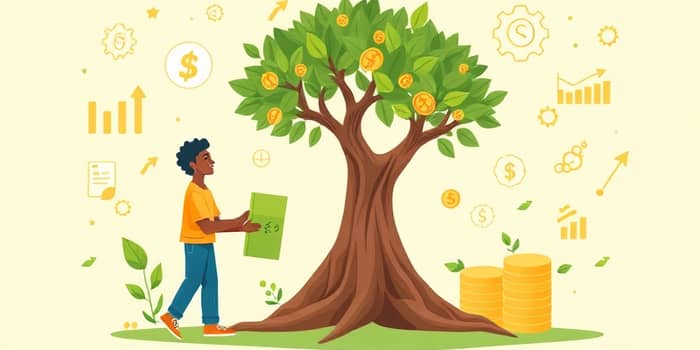
Achieving financial freedom goes beyond income—it demands deliberate habits, clear goals, and unwavering discipline.
One of the cornerstones of wealth-building is to consistently put aside money before any other expense. By treating savings like a mandatory bill, you establish a powerful habit that accelerates your net worth.
Automating contributions to high-yield savings accounts, retirement plans, or brokerage accounts removes emotional barriers and keeps you on track even when life gets busy.
Only about a quarter of Americans track their spending systematically, even among the affluent. A detailed expense review for at least one month reveals where money leaks away.
Identify your three biggest categories—housing, transportation, and food—which typically consume two-thirds of a household budget. Then create strict categories for essentials, debt repayment, and savings.
The classic Stanford Marshmallow Test demonstrates that impulse control links directly to better life outcomes. When you prioritize future rewards over immediate consumption, you harness the power of compounding and avoid emotional overspending.
A staggering 29% of Americans report that expenses exceed income. To reverse this trend, aim to spend substantially less than you earn and allocate the difference toward savings and investments.
Regularly review subscriptions, dining habits, and discretionary purchases. Even small cuts can compound into significant wealth over decades.
Emergency preparedness is a non-negotiable element of financial stability. While 55% of adults can cover three months of expenses, 18% could only handle an emergency under $100.
Aim to build a robust emergency fund covering 3–6 months of living costs. This buffer prevents you from tapping into long-term investments or high-interest debt when unexpected expenses arise.
High-interest obligations, such as credit card balances, can nullify your savings efforts. With one in four Americans borrowing to avoid dipping into savings, prioritizing debt repayment is critical.
Use the debt avalanche or snowball methods to accelerate payoff. Celebrate each milestone to maintain momentum and avoid discouragement.
Reliance on a single paycheck exposes you to job loss and economic downturns. Wealthy individuals often maintain at least three income sources, including salary, investments, side businesses, or real estate.
A diversified income approach cushions against market volatility and accelerates your path to financial independence.
Adopt a patient, compounding growth over time mindset. Focus on tax-advantaged accounts like 401(k)s and IRAs, and diversify through index funds and ETFs. As net worth grows, consider alternatives such as real estate or private equity.
Automating investment contributions removes the need for timing the market and ensures you're consistently positioned to benefit from long-term growth.
Automation is more than convenience—it’s a safety mechanism against missed payments. By scheduling transfers for savings, bills, and investments, you remove emotional decision-making and reduce missed payments.
Tools such as automatic bill pay, robo-advisors, and recurring transfers create a frictionless path to building wealth.
Set weekly or monthly reviews to assess your progress, spot overspending, and realign with goals. Financial mindfulness—a conscious awareness of spending choices—fosters better decisions and reduces impulsive buys.
Keeping a journal or app-based tracker helps you reflect on both successes and setbacks without judgment.
By staying informed about new financial products and market trends, you maintain agility and improve long-term outcomes.
Addressing these challenges directly helps you stay on course even when external pressures mount.
Different households face unique constraints. Lower-income families may need tailored strategies to build emergency savings, while high earners focus on tax optimization and asset allocation.
Women often lead with debt repayment, whereas men gravitate toward investments. Recognizing these tendencies allows you to adopt best practices that align with your circumstances.
Mastering money isn’t a destination—it’s a continuous journey. It requires systematic habits, emotional resilience, and a commitment to lifelong learning.
By automating core practices, embracing delayed gratification, and maintaining regular check-ins, you lay the groundwork for enduring wealth and financial security.
Start today by choosing one habit to strengthen, and build from there. Each consistent action compounds, bringing you closer to the freedom you envision.
References