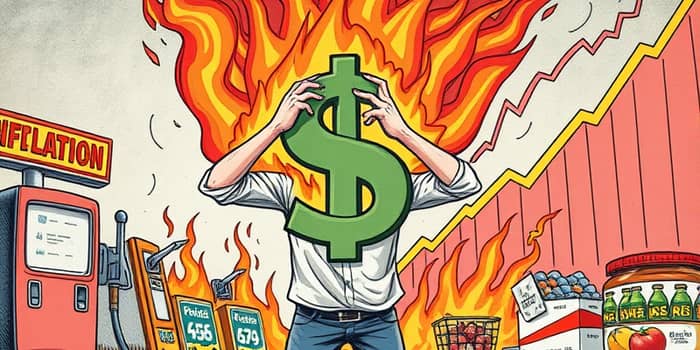
Inflation touches every aspect of daily life, from grocery bills to mortgage payments. While moderate price increases can indicate a healthy economy, persistent inflation above target levels erodes the value of each dollar. As of September 2025, the U.S. Consumer Price Index stands at 324.8, up from 258.84 in 2020, reflecting a year-over-year rate of 3.0%. Understanding how to defend against these trends is essential for individuals and families striving to maintain financial stability.
At its core, inflation measures the rate at which general prices rise over time. The headline Consumer Price Index tracks changes in a broad basket of goods and services, capturing shifts in energy, food, housing, and more. From September 2024 through January 2025, prices climbed at a 4.1% annualized pace, before moderating to 2.5% through September. Persistent supply chain disruptions, geopolitical tensions, and post-pandemic demand surges have all fueled recent price pressures.
Key sectors remain in focus. Energy costs rose 2.8% year-over-year, with fuel oil up 4.1%. Food prices continue to challenge household budgets, while tariffs on certain goods add another layer of cost. Even as headline rates decline from mid-2022’s 8.0% peak, many consumers still feel the squeeze of elevated expenditures.
Every percentage point of inflation chips away at what your money can buy. A dollar in 2020 buys about 80 cents of goods in 2025, meaning a 20% loss in value over five years. Forecasts suggest the CPI may reach 325.6 by 2027, further threatening real wealth if incomes and returns don’t keep pace. Understanding this dynamic is crucial for long-term planning.
Continued price gains, even at seemingly modest rates, compound over time. A sustained 3% inflation rate halves purchasing power every 24 years, underscoring the importance of strategies to sustain real purchasing power through diversified financial approaches.
Inflation is more than an economic statistic—it has tangible human impacts. Surveys in late 2022 and mid-2023 show that over 78% of adults found price increases stressful, a figure that rose even as headline rates eased. Working-age individuals living paycheck to paycheck feel the greatest pressure, as wages often lag behind cost growth.
Chronic financial stress can trigger negative health outcomes. Research links inflation-driven anxiety to higher risks of cardiovascular issues and weakened immune response. Recognizing these realities highlights why proactive financial measures are not just prudent—they’re essential.
Building a resilient financial portfolio requires a multi-pronged approach. No single asset class offers a complete solution, but a diversified mix of assets can weather different inflationary scenarios. Consider these core categories:
Historically, stocks outperform inflation over the long term, driven by corporate pricing power and productivity gains. TIPS directly link returns to CPI changes, while real assets often appreciate when currencies lose value. Commodities and precious metals can provide additional ballast during periods of heightened price volatility.
While cash provides liquidity, holding uninvested funds erodes value when interest rates fall below inflation. To mitigate this, explore options like high-yield savings accounts or money markets that offer competitive rates. Even then, these may trail broader price gains, so balancing safety with returns is vital.
Series I savings bonds adjust interest twice yearly based on CPI changes, providing a straightforward hedge for small investors. Laddered CDs can lock in rising rates over time, reducing reinvestment risk in a fluctuating market.
Beyond investing, everyday decisions and policy tools can help maintain financial health. Many government programs, such as Social Security, incorporate cost-of-living adjustments for retiree beneficiaries, preserving benefits against inflation. Employers sometimes offer COLA clauses or merit-based raises tied to economic indicators.
Assessing and adjusting your budget can uncover savings. Negotiating wages or pursuing additional income streams addresses the root issue: rising costs outpacing pay. Meanwhile, regular portfolio rebalancing schedules ensure you’re not overexposed to any one asset class as markets shift.
Looking ahead, forecasts project mild inflation persistence through 2027, with CPI levels reaching approximately 325.6. History teaches that economies cycle through periods of accelerated and subdued price growth. Preparing for both environments—through a balanced portfolio, adequate liquidity, and flexible budgeting—builds resilience.
Financial planning is not a one-and-done task. Regular reviews, adjustments, and an informed understanding of macroeconomic trends are key. By adopting these strategies and staying vigilant, you can transform inflation from an overwhelming threat into a manageable element of your broader financial journey.
Inflation’s bite can erode savings, compress budgets, and heighten stress. But armed with knowledge and strategic action, individuals can protect and even enhance their purchasing power over time. From diversified investments to smart cash management and targeted budget decisions, these tools empower you to stay ahead of rising costs and maintain financial well-being—no matter what the next inflation cycle brings.
References