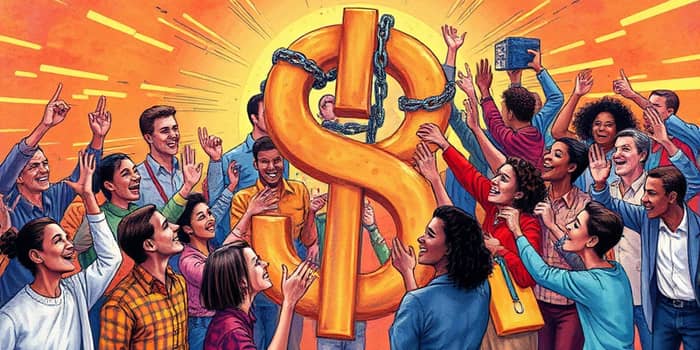
In an era marked by rising living costs and economic uncertainty, achieving a life free from financial burdens has taken on renewed significance. For many Americans, true prosperity is defined not by the size of their bank balance, but by the peace of mind that comes from being free of debt. The journey toward debt elimination is as much psychological as it is numerical, requiring determination, strategic planning, and emotional resilience. By embracing practical tools and proven tactics, individuals can reclaim control over their finances and unlock a future of stability.
The data is compelling: 74% of Americans now view debt-free living as the ultimate benchmark of success, prioritizing debt elimination above milestones like homeownership or marriage. Meanwhile, financial stress has surged to 68% in 2025, pushing one-quarter of households to the brink of crisis over unexpected expenses. These trends underscore a fundamental shift in how we value and pursue economic well-being.
In recent years, the narrative around wealth has shifted dramatically. Once measured by asset accumulation and status symbols, financial success is increasingly understood as the ability to prioritize debt elimination over spending. According to recent surveys, 19% of Americans list debt reduction as their top goal for 2026, with this figure rising among older adults.
Younger generations, particularly Gen Z and Millennials, are exploring alternatives like Buy Now, Pay Later programs to manage cash flow, with 58% adopting these tools. While BNPL can offer short-term relief, it can also obscure long-term obligations. Recognizing these evolving preferences helps us design strategies that meet people where they are and guide them toward lasting freedom.
Financial anxiety is more than a statistic; it’s a day-to-day reality. In 2025, 25% of Americans are unable to muster $2,000 for unexpected costs, up from 19% just a year ago. Generation X is particularly vulnerable, with 36% facing potential crises. Such stress erodes confidence—only 35% feel proud of their money management. These alarming numbers call for action: by confronting debt head-on and building resilient budgets, individuals can break the cycle of anxiety and regain a sense of empowerment.
Debt extends beyond bank statements, infiltrating emotional well-being and self-perception. Carrying balances with high interest rates can induce feelings of helplessness, guilt, and chronic stress. This psychological burden influences major life choices: 39% of people are reconsidering plans like buying a home or starting a family due to financial constraints. Acknowledging the emotional aspects of indebtedness is crucial; it allows individuals to cultivate patience and self-compassion on their path to freedom.
When each milestone—be it eliminating a credit card or reaching a savings threshold—is celebrated, it reinforces positive behavior and strengthens resolve, helping individuals build momentum with early small victories.
Any journey toward freedom begins with a clear plan. A structured budget serves as the foundation for sustainable progress. One popular framework is the 50/30/20 rule: allocate 50% of income to necessities (including debt payments), 30% to discretionary spending, and 20% to savings or additional debt reduction. Regularly reviewing this framework and adjusting for life changes ensures ongoing relevancy. Categorizing expenses into “needs” and “wants” pinpoints areas for potential cuts, freeing up more funds for repayment. By committing to create a comprehensive monthly budget, individuals gain visibility into their cash flow and set the stage for measurable success.
With a solid plan in place, choosing the right repayment method amplifies efficiency. Two widely used approaches are the debt avalanche and debt snowball. The avalanche method eliminates high-interest obligations first, minimizing total interest paid, while the snowball method focuses on smaller balances to generate quick wins. Below is a comparison to help select the optimal path:
Beyond primary methods, several tactics accelerate debt freedom. Consistently paying even modest amounts above required minimums can drastically shorten payoff timelines. Applying windfalls—such as tax refunds or bonuses—helps you leverage unexpected income toward debts and compounds progress. Negotiating lower interest rates can reduce costs on existing credit lines, and consolidating multiple debts into a single loan or balance transfer card simplifies payment schedules. Small adjustments in spending habits, like cutting dining out or subscription services, reveal hidden resources to direct toward repayment.
By choosing strategies that minimize total interest costs over time, individuals can retain more capital for future goals. Consolidation of progress requires ongoing vigilance and adaptability. Building an emergency fund, even modestly, shields against unexpected setbacks, ensuring that unforeseen challenges never derail your momentum. Cultivating mindful spending habits—like reviewing subscriptions and seeking cost-effective alternatives—safeguards progress. Behavioral changes, such as tracking daily expenses or automating payments, reinforce consistency and relieve mental load. Remember that the path to debt-free living is not a sprint but a marathon; occasional setbacks are part of the process.
Adopting a growth mindset transforms obstacles into learning experiences and fosters enduring confidence in personal finance.
Debt-free living is more than a financial goal; it’s a transformative journey that fosters resilience, confidence, and personal growth. Every payment, every budget adjustment, and every emotional hurdle overcome contributes to a stronger foundation. Celebrate milestones and remain committed, knowing that each step forward brings you closer to true financial empowerment and lasting peace of mind. By integrating these strategies into daily life, you’ll not only conquer debt but also cultivate a more intentional and fulfilling economic future.
References