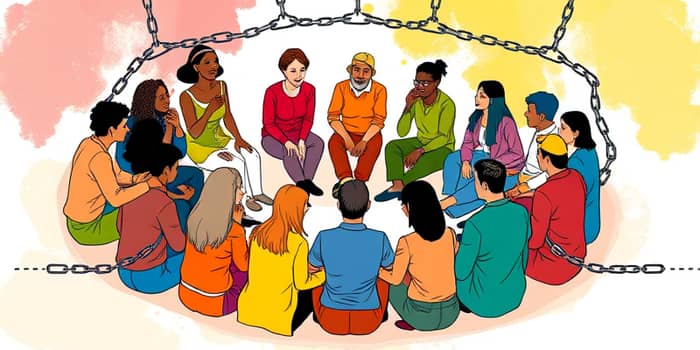
Debt is more than numbers on a statement; it is a force that can shape our lives, our communities, and our futures. Across generations, from teenagers unsure about their first loan to retirees worried about medical bills, the specter of debt looms large. To overcome chronic cycles of high-interest debt, we must start by talking openly about our challenges and strategies.
At the heart of financial capture lies silence, shame, and isolation. When we treat debt as a taboo subject, we remain trapped in cycles of stress and missed opportunities. By opening channels of communication, we can build both knowledge and community, turning individual struggles into collective action.
Debt burdens impact demographic groups differently but are universally felt. Among Gen Z and young adults aged 18 to 28, 33% report high stress, with 51% noting the cost of living as the largest barrier to success. Although 72% took steps to improve their financial health in the past year, only 24% focused on paying down debt, while others pursued savings goals ahead of balance reduction.
In the broader population, 37% of adults admit they are just getting by financially, and 60% acknowledge that retirement savings goals are off track. Teens overwhelmingly feel unprepared to finance their futures, with half expressing uncertainty even after literacy programs, highlighting a persistent gap in understanding money management.
Behind every statistic is a story. Consider the seminary graduate who incorporated the 7 Steps to Financial Freedom framework and paid off student loans within five years by prioritizing tax optimization and leveraging compounding interest. Or the young renter who redirected dining-out budgets into debt payments, discovering both relief and motivation as balances shrank.
These strategies have helped many borrowers shift from helplessness to empowerment, proving that disciplined planning and small daily actions can yield significant progress over time.
Debt is not only a personal challenge but also a feature of economic systems designed to extract value from vulnerability. Through debt as a tool of oppression, marginalized communities face disproportionate interest rates, limited access to affordable credit, and institutional barriers that reinforce inequality.
Neoliberal financialization transforms overdue balances into profit for investors, with student loans and medical debt becoming assets traded like commodities. This dynamic perpetuates cycles of extraction and restricts the freedom of those already burdened by systemic disadvantages.
Scholars argue for a moral distinction between just and unjust debts. While mortgage or business loans can be seen as investments in the future, burdensome student and medical debts often lack constraints on interest and negotiation, deepening social inequities and limiting opportunities for mobility.
Calls for universal cancellation of federal student loans under the Higher Education Act of 1965 represent one pathway toward repair. By reimagine financial systems as tools for collective well-being rather than profit extraction, advocates envision new frameworks built on solidarity and shared prosperity.
Transformative progress begins with conversation. When we foster transparent and judgment-free financial conversations among friends, families, and communities, we create environments where seeking advice is a strength, not a liability.
Evidence shows that teens who engage in structured literacy programs feel more confident, and adults who discuss money openly report less stress and greater likelihood of proactive action. By making financial topics part of everyday dialogue, we chip away at fear and build collective resilience.
Individual change is powerful, but systemic transformation requires collective effort. Debtors’ unions such as the Debt Collective and Debt Justice mobilize borrowers to demand policy changes, cancellation initiatives, and regulatory protections. Through campaigns like “You Are Not A Loan,” these movements frame debt relief as a human right rather than charity.
Grassroots organizing highlights the intersection of debt with housing, healthcare, and education, demonstrating how burdens in one area amplify struggles in another. By leverage collective power for change, communities can push for legislation that caps interest rates, expands income-driven repayment, and enforces fair collection practices.
Financial emancipation is an ongoing journey that transcends individual success stories. It invites us to rebuild systems based on equity, solidarity, and shared prosperity. By challenging narratives that blame individuals for structural flaws, we cultivate empathy and drive toward policies that honor everyone’s right to stability and growth.
Whether you carry a small balance or a life-altering loan, your voice matters. Open a conversation with a friend, join a community workshop, or support campaigns that advocate for fairer economic structures. When we unite personal progress with collective purpose, we build a future where debt no longer dictates our destiny.
Let this be the beginning of a movement—where every dialogue fuels hope, every shared strategy sparks action, and every community stands together in pursuit of embrace informed and proactive financial habits and true emancipation.
References