For many, art is a journey of the heart—a way to connect with beauty, history, and culture. Yet in 2026, this passion increasingly intersects with the world of finance. By transforming creative passion into strategic wealth, collectors can not only enrich their lives with masterpieces but also pursue meaningful financial gains. As the global art market enters a renewed phase of optimism, understanding data and trends becomes essential for those who wish to merge aesthetic enjoyment with prudent investment.
The art market sentiment for 2026 is encouraging: 51% of experts anticipate overall growth, while lower price tiers (under $1 million) could see a remarkable 61% expansion. During 2025, segments such as Impressionist (+80.4%), Modern (+19.4%), and Old Masters (+68.7%) delivered standout results, driven by a laser focus on quality and provenance. These developments offer clear evidence that art can be a powerful complement to traditional asset classes.
Investors aiming for steady annual returns averaging 8.9% have found blue-chip art to outpace broad equity benchmarks. From 2000 to 2024, the Artprice100 Index rose by 8.9% per year, trouncing the S&P 500’s 3.4–3.9% range. Contemporary art—when viewed over a longer horizon—delivered an impressive 12.6% CAGR between 1995 and 2022, versus 9% for US equities and 5.9% for gold. Such figures underscore how art can serve as both a hedge and a growth driver.
Yet like any market, art carries its own rhythms and cycles. During the 2009 financial crisis, blue-chip paintings fell by 26–28%, compared to a 57% drop for the S&P 500, yet recovered within 6 to 18 months. This resilience highlights the importance of patience and a long-term perspective when collecting.
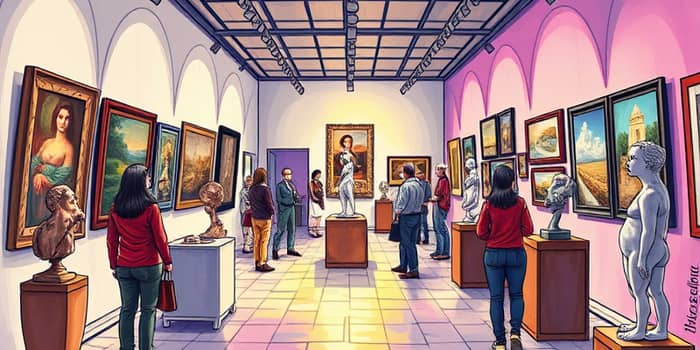
As digital platforms mature and buyer demographics evolve, the way we discover, purchase, and display art is transforming. Online fine art sales reached $14.1 billion in 2026, with a projected CAGR of 6.13% through 2031. Nearly half of high-net-worth individuals now acquire digital works, and Gen Z leads in sectors such as video art and NFTs. Galleries are expanding their digital presence, blending virtual previews with immersive physical experiences.
Meanwhile, younger collectors are driving demand for emerging and underrepresented artists. Instagram, direct-to-artist platforms, and hybrid events have democratized access, creating a new generation of enthusiasts who value authenticity and personal connection. Selling patterns show growth in affordable works under $2,000, and a rise in lifestyle-driven purchases—art becomes an extension of identity and environment.
Different art segments exhibit unique return profiles depending on holding period and market conditions. Understanding these dynamics helps collectors align strategy with goals, whether seeking shorter-term gains or intergenerational wealth.
Investing in art is not without challenges. The market’s high variance in individual returns demands careful selection and due diligence. Illiquidity can delay exits, and transaction costs—auction fees, insurance, conservation—erode net gains. Capital gains on collectibles in the US currently attract a 28% rate, compared to 20% for stocks, further impacting after-tax returns.
Provenance issues and authentication complications can threaten value, while shifts in taste mean that artists once overlooked can suddenly soar, and icons can cool. To mitigate these risks, veterans recommend a modest allocation—often no more than 5% of total portfolio value—and emphasize long-term holding horizons beyond 20 years for the most consistent rewards.
Several powerful trends are redefining how collectors approach the market in 2026. From digital art’s explosive growth to eco-conscious practices, these shifts offer both inspiration and strategic insight.
Collectors also prioritize sustainability, favoring eco-friendly framing, low-impact shipping, and artists committed to ethical practices. The Middle East’s market expansion and private sales growth signal that the global art ecosystem is becoming more diverse and interconnected.
By following these guidelines, collectors can navigate the complexities of the art market with confidence and purpose. Combining data-driven insight with an emotional connection to artworks paves the way for a truly rewarding collecting experience.
Art investing is more than a financial exercise; it is a voyage of discovery. As you assemble your collection, each piece will tell a story—of creativity, historical context, and human expression. Whether you are drawn to the vibrant strokes of an Impressionist canvas or the bold statements of a contemporary installation, your portfolio becomes a personal narrative.
Ultimately, the greatest reward lies in the harmony between passion and prudence. By respecting both the numbers and the nuance, collectors can cultivate a collection that not only appreciates in value but also enriches their lives in profound ways.
As the art market advances into 2026, seize this moment to blend your love of art with intelligent strategy. Let each acquisition reflect your taste and ambition, forging a legacy that resonates across generations.
References